n8n · GoHighLevel · AI Orchestration. 7 years in production software. Your automation ships with error handling, monitoring, and docs. Not a demo that breaks in week two.
Architecture decisions, real results, built for scale.
Support team spending 20-30 minutes per ticket searching through docs spread across Google Drive. Docs constantly updated, answers going stale.
Document indexing pipeline with recursive chunking and Pinecone for production-scale semantic retrieval. AI agent in Slack with conversation memory. Bot cites its source or says it doesn't know. No hallucination.
20-30 minutes per ticket down to under 10 seconds. Document updates picked up automatically on the next pipeline run. Zero manual knowledge base maintenance.
A social media SaaS running content for dozens of client accounts. Every new client meant opening n8n and editing workflows by hand. Per-client rules lived inside the automation, so the system got more fragile with every account they signed.
I moved the business logic out of the workflows and into Postgres. Tenant-scoped schema, RPCs for batch creation and slot assignment, and a scheduling engine that stays correct across daylight saving shifts. Assets land in Drive, a generic poller matches each file to its planned post, GPT-4o writes the caption, the client approves by email, and the batch gets slotted and published to Instagram and Facebook.
24 workflows live in production against a 14-table schema. Slot claiming is race-safe through an advisory lock plus a partial unique index, so duplicate runs claim nothing. The publishing rail fails closed: on any error the batch lands in a terminal state with a Slack alert instead of posting to the wrong account. Drive intake is idempotent, with a dedup table and two unique constraints on filename. A documented end-to-end audit found a comment monitor that had been failing silently for 23 consecutive runs and a dead publish callback, both now green.
Finding quality Upwork clients manually takes 2-3 hours a day. Reading postings, checking client history, writing proposals from scratch. Every single day.
4-stage Python pipeline: Apify scrapes jobs and pulls hidden client data (spend, hire rate, avg rating). A scoring engine 0-100 drops anything below 35 before I ever see it. Surviving jobs land in a local Kanban. Moving a card to review sends the full job + client data to Claude, which flags red/green signals and writes a tailored proposal referencing the specific tech stack.
2-3 hours of daily scouting down to 2 minutes of review. Built with modular Python, local SQLite, and a market intelligence layer that tracks which skills pay most that week.
Students split their attention between listening and taking notes, and end up doing neither well. Existing apps record audio but don't understand it.
Full Flutter app, one codebase for iOS and Android, with background audio recording, a Smart Notebook canvas, and Gemini processing the full class audio after. Automatic task detection, quiz generation, PDF export. The hard engineering problem: running audio capture and canvas rendering simultaneously without draining the battery.
Live on App Store and Google Play on a freemium model. Gemini returns full transcripts segmented into summary, glossary, highlights, and auto-extracted tasks from what the professor said.
Businesses add leads to their CRM and then someone has to manually follow up, check if they booked, send reminders, and brief the rep before the call. Four or five tasks that nobody automates.
Three GHL workflows chained together. Workflow 1: AI generates a personalized outreach email based on the contact's industry and sends it with a booking link. Workflow 2: when a call is booked, AI writes a lead briefing for the rep with likely pain points and suggested opening questions. Workflow 3: confirmation, 24h reminder, 1h reminder, and a post-call nudge if the rep forgets to update the pipeline.
New lead arrives, gets a personalized AI email, books a call, rep gets a briefing, prospect gets reminders, pipeline updates itself. Zero manual follow-up at any stage.
The core tools behind every system above.
Also: Airtable, Zapier, Python, Supabase, custom API integrations.
My proven 6-phase process for successful automation projects.
Mapping the chaos & understanding what actually needs to be automated.
Architecting the optimal solution before writing a single node.
Implementing the automation with edge cases handled from day one.
Rigorous validation, including the edge cases you didn't think of.
Going live with monitoring in place so nothing breaks silently.
Continuous improvement as your business scales and needs evolve.
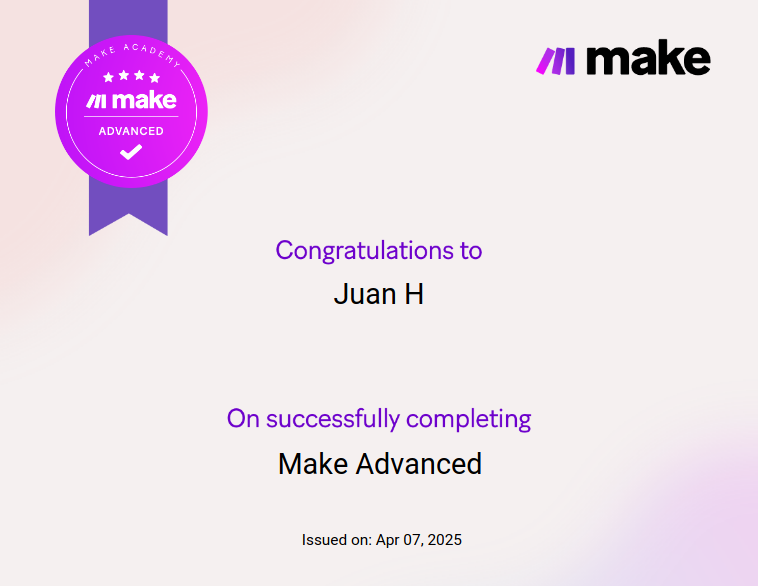
Make Academy
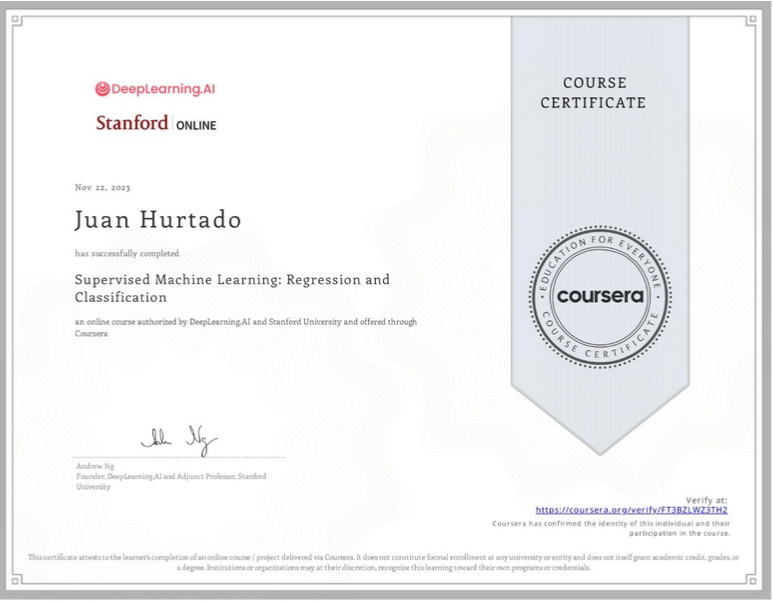
DeepLearning.AI · Stanford
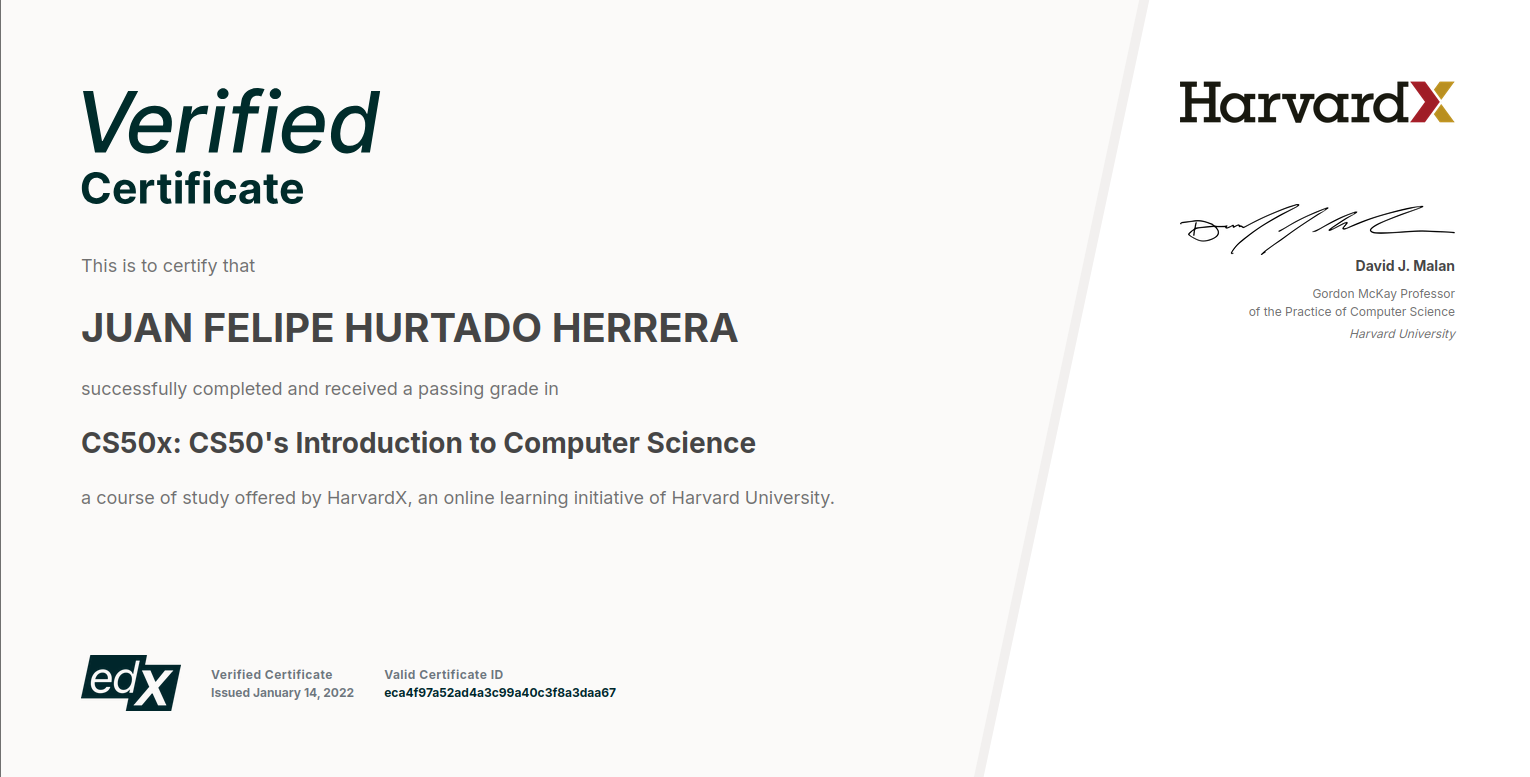
HarvardX
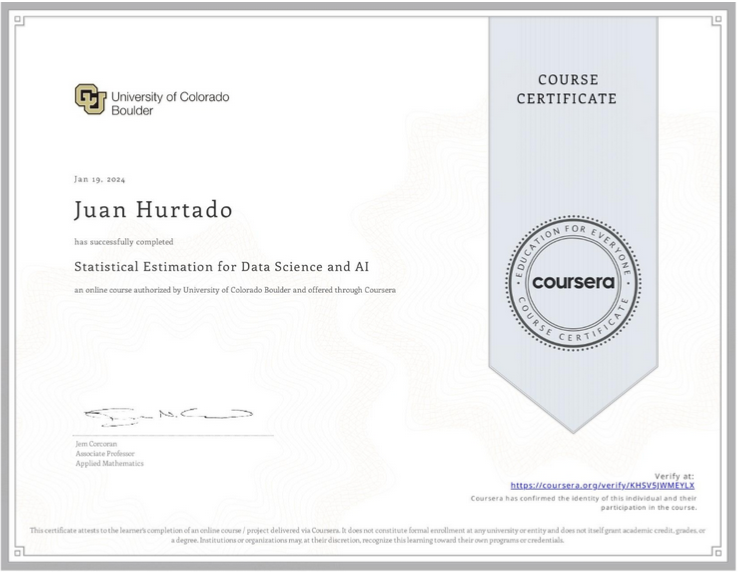
University of Colorado Boulder
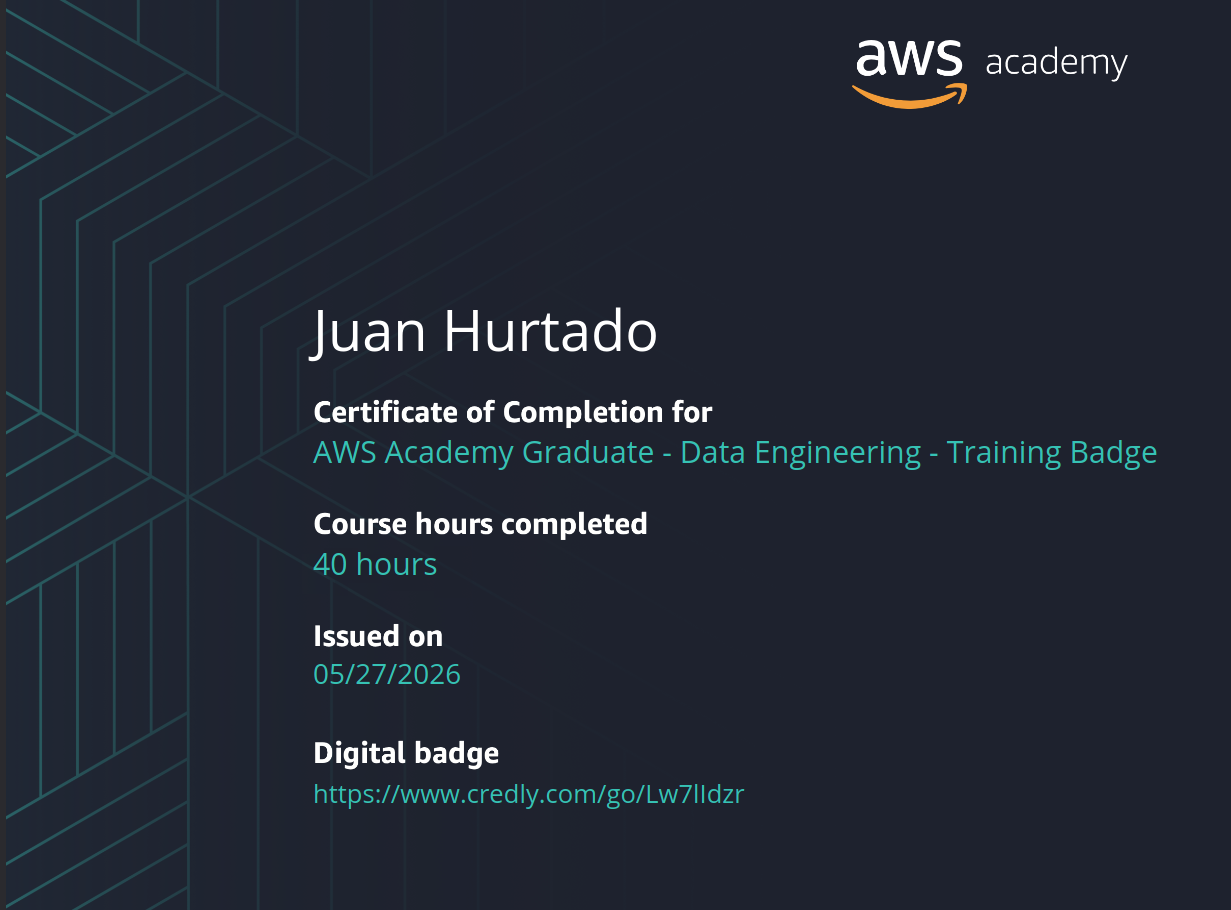
AWS Academy
Most automation freelancers connect tools. I architect systems. Software development background, not Zapier tutorials.
With 7+ years of programming experience and 5+ years in automation, I build systems that scale beyond simple integrations. Whether it's custom Python logic, AI agents with RAG, or complex CRM pipelines, I deliver robust solutions.
I also build AI agents that do more than chat. Using MCP, they connect straight to your CRM, database, and internal tools, so the agent reads live data and takes real actions instead of guessing.
Fluent in English, Spanish & French. I specialize in long-term partnerships with agencies and SaaS companies.
A quick introduction to who I am and how I can help you.
Click below to invite me to a job. I'll show you exactly how to automate it with a clear plan.